What Drives the Price of a Custom Inflatable: A Cost Breakdown for Buyers
What Drives the Price of a Custom Inflatable: A Cost Breakdown for Buyers
Send the same rough idea — “a branded air dancer” or “a 20ft entrance arch” — to three factories and you’ll often get three quotes that don’t look like they’re for the same product. That’s not one factory padding the price and another lowballing it. Custom inflatables have several cost drivers stacked on top of each other, and a quote changes significantly depending on which side of each variable you land on. Understanding those variables makes it possible to compare quotes properly instead of just picking the lowest number and hoping it holds up.
Size and structure complexity
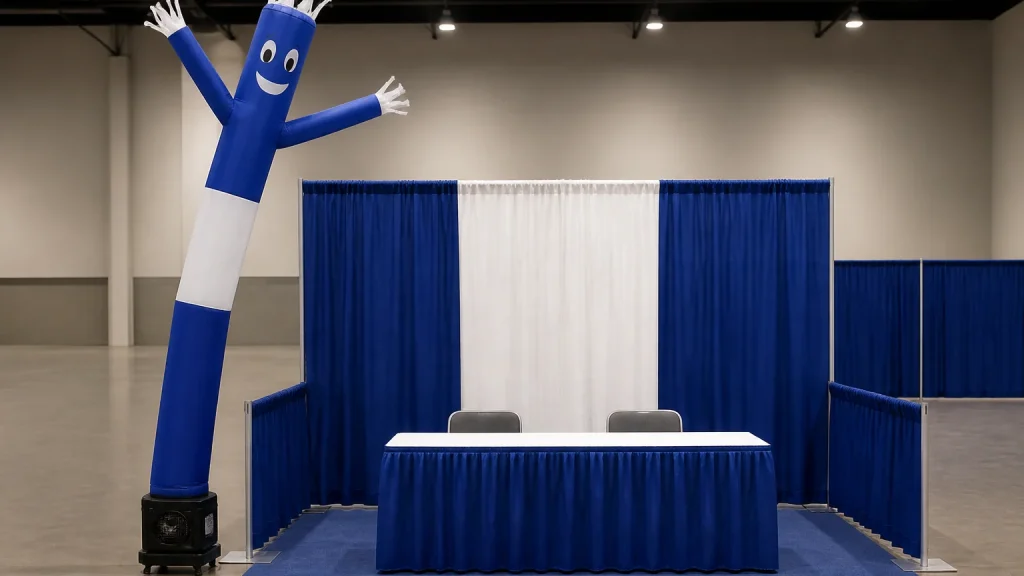
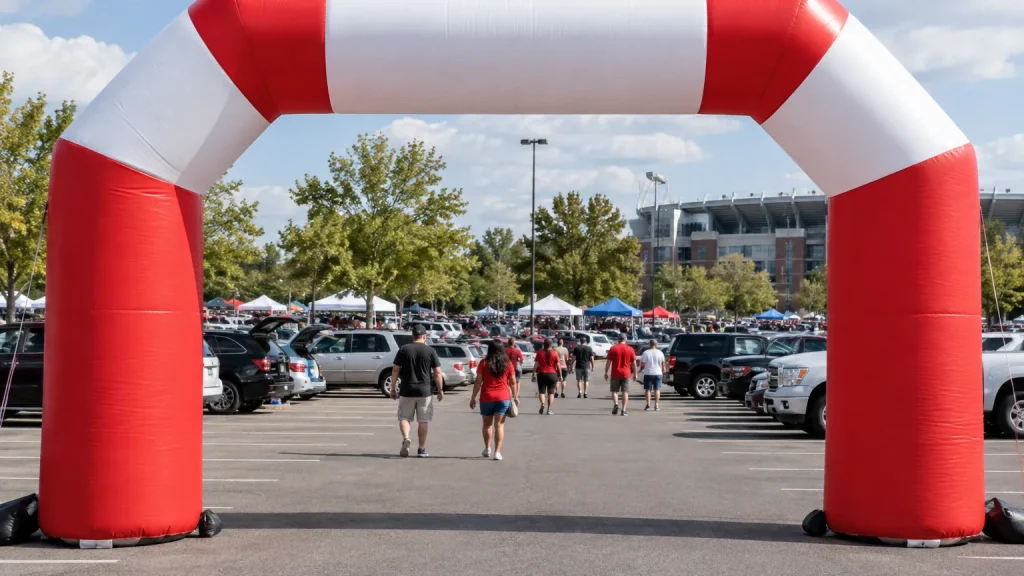
Cost doesn’t scale linearly with size. A air dancer that goes from 12ft to 20ft doesn’t just use more fabric — it needs a heavier-duty blower to keep it inflated and moving, more robust seam reinforcement to handle the added stress, and typically a larger base or more ground anchoring to stay stable. The same applies to arches: a wider span means thicker tube diameter and more internal baffling to hold shape under wind load, not just a longer roll of PVC.
Structure adds cost independently of size. A simple tube shape is the cheapest geometry to produce. Anything with branches, curves, or a recognizable character silhouette — a mascot with arms and a head, a product replica with an irregular outline — requires custom patterning, more seams, and more hand-finishing labor. Two units of similar overall height can carry very different price tags once one of them is a standard cone and the other is a custom character shape.
Print method and color complexity
How a design gets onto the fabric matters as much as what the design says. Dye-sublimation printing, where ink is heat-transferred into the fabric fibers before the panels are cut and sewn, produces vivid, fade-resistant color and can handle full-coverage, photo-realistic artwork — but it costs more per square meter than simpler methods and requires more setup for multi-panel designs. Direct digital print onto pre-made panels is faster and cheaper for simpler logos but has more limitations on color vibrancy and coverage on curved surfaces.
Color count and coverage area push price up independently of which method is used. A one-color logo on a plain-colored balloon is inexpensive. A design that wraps the entire surface in a full-color gradient, multiple brand colors, and fine text or small details takes longer to prepare, proof, and produce — and increases the odds of needing a second proofing round before the factory cuts fabric.
Material grade and hardware
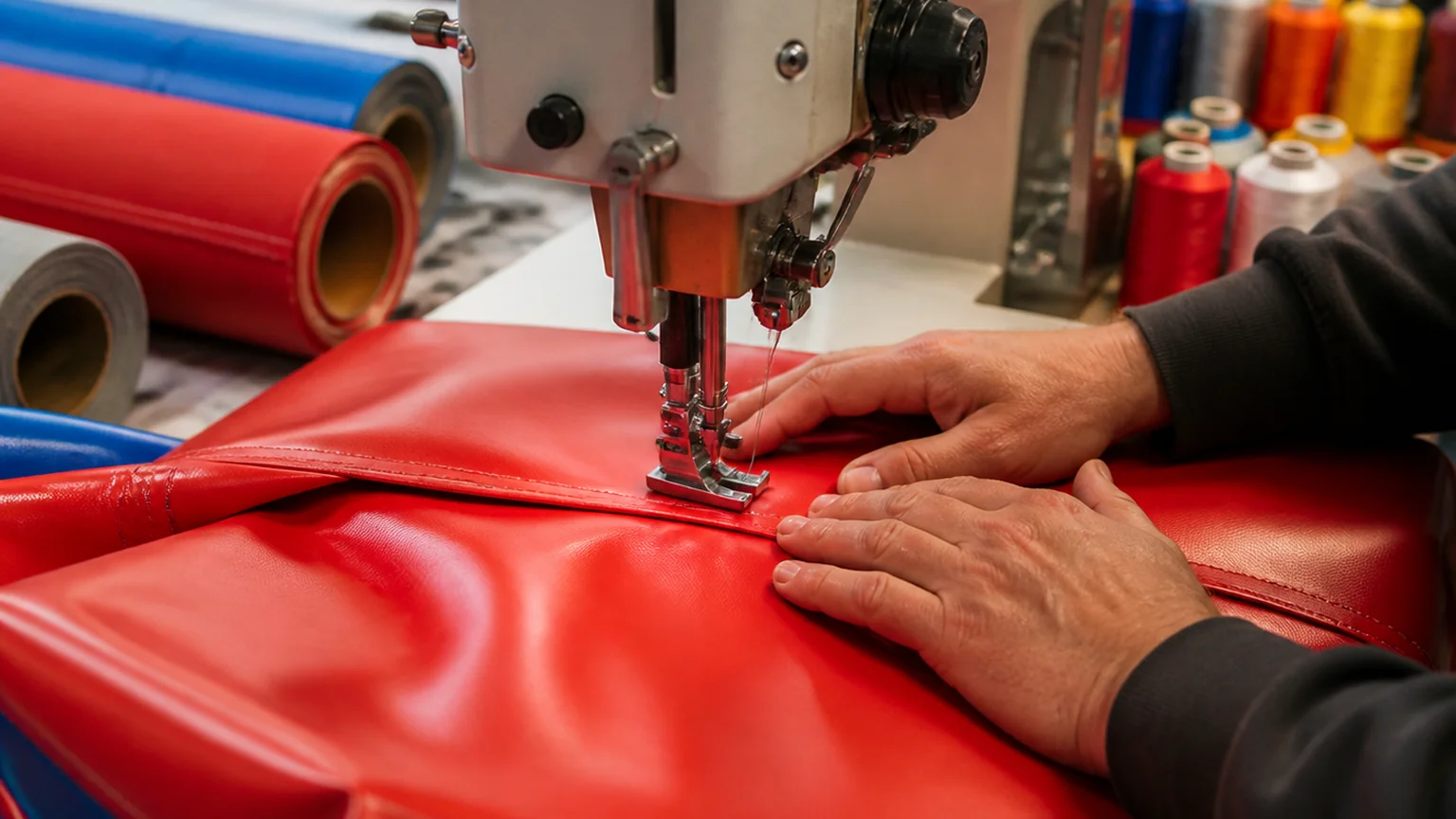
Fabric grade is a real line item, not a rounding error. Standard-grade 0.55mm PVC or ripstop nylon covers most outdoor promotional use, but heavier-gauge fabric, UV-stabilized coatings rated for longer outdoor exposure, and flame-retardant certifications all add cost — and are worth paying for if the unit is going to run daily for a year rather than appear at a handful of weekend events.
Hardware is the other half of the equation. A CE-certified blower sized correctly for the unit is non-negotiable, but buyers often skip pricing the accessories that make an installation actually work in the field: ground stakes and sandbags for wind anchoring, tie-down straps, a backup blower for units that run unattended for long hours, and helium-grade valves for balloon products. None of these show up in a bare “unit price,” but they’re the difference between a quote that covers a working installation and one that covers a box that arrives and needs a second order to actually deploy.
Freight and destination also move the delivered price
The factory quote is rarely the full landed cost. A folded, deflated inflatable takes up far less container space than its inflated dimensions suggest, but larger structures — big arches, tall mascots, multi-piece balloon sets — still add up when a shipment is consolidated with other cargo. Shipping by sea freight in a shared container keeps per-unit freight cost low but adds transit time; air freight cuts weeks off delivery but at a materially higher cost per kilogram, which matters more for heavier, bulkier units than small balloons.
Destination matters too. A quote landing in a port city with direct sailings is usually cheaper and faster to clear than one going somewhere requiring inland trucking or transshipment through a second port. If a rush timeline is driving a choice toward air freight, it’s worth asking the factory whether staging inventory domestically — ordering ahead of a known campaign date rather than after the need arises — would let a slower, cheaper shipping method work instead.
Order volume and production timeline
Per-unit price drops as order volume goes up, for the same reason it does in most manufacturing: fixed costs — mold or pattern setup, artwork proofing, initial color matching — get spread across more units. A single custom air dancer carries the full weight of that setup cost; an order of ten identical units for a dealer network spreads it thin. This is one reason a minimum order quantity exists in the first place — below a certain volume, the setup cost dominates the price regardless of unit size.
Timeline works against volume in the other direction. Standard production after artwork approval runs 7-15 working days depending on order size and current factory load. Compressing that timeline for a rush order — pulling a job ahead of others already in the queue — typically carries a premium, since it means reallocating labor and possibly running overtime shifts rather than following the normal production schedule.
None of these factors work in isolation — a small, simple, single-color order in bulk will always price differently than a large, complex, full-color one-off, and a well-structured quote should let you see which of these variables is actually driving the number, not just a bottom-line total. If you’re preparing to get quotes, our guide on how to brief a factory for custom advertising inflatables covers what information gets you an accurate first quote instead of a rough estimate, and our piece on UV-stable printing for outdoor inflatables goes deeper into how print method affects long-term durability, not just upfront cost.