Giant Inflatable Product Replicas: Turn Your Product into a Photo Moment
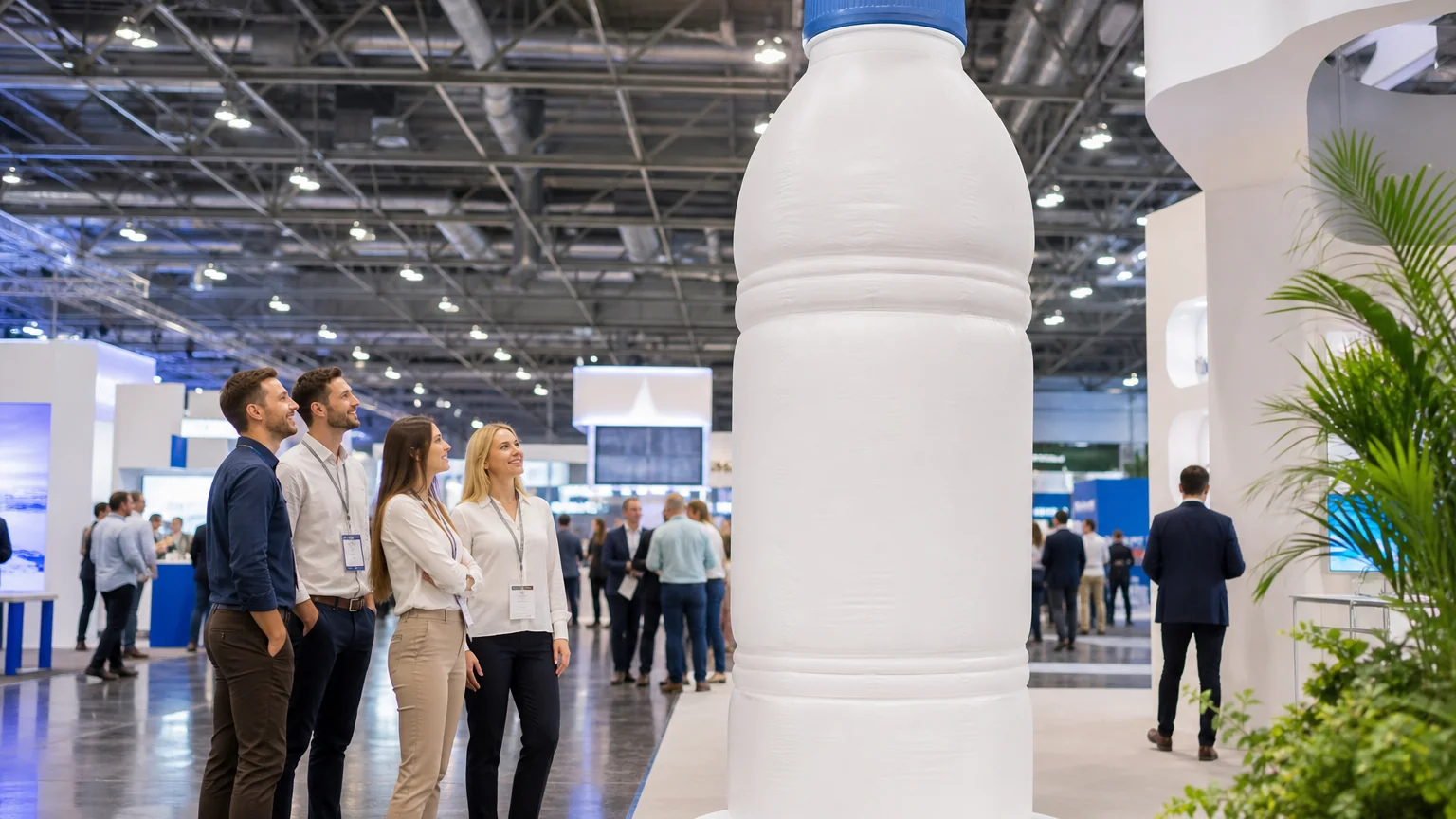
Put a normal-sized product on a plinth and people walk past it. Blow that same product up to three metres tall and stand it in a mall atrium, and people stop, point and reach for their phones. A giant inflatable replica turns your product into a landmark and a photo backdrop at the same time — every visitor who poses next to it hands you free reach on social media, tagged to your brand and your launch.
That’s the whole idea behind an inflatable product replica: an oversized, faithful 3D version of the thing you actually sell — a bottle, a can, a shoe, a pack, a gadget — built to be seen from across a room and photographed up close.
Why a giant replica of your product works
Two things happen at once. First, scale creates a landmark: a familiar product at ten times its normal size reads instantly and pulls foot traffic toward it. Second, the replica is inherently on-brand — it doesn’t just carry a logo like a banner does, it is the product, so every photo taken beside it is unmistakably about you. That combination of stopping power and shareability is hard to buy any other way, and it’s why product replicas sit alongside standing mascots as the centrepiece of a lot of brand activations.
Where product replicas win
- Product launches. A giant version of the new product is the hero of the reveal — the thing press and guests photograph.
- Trade show booths. On a crowded floor, a towering replica is what people spot from three aisles away and walk toward.
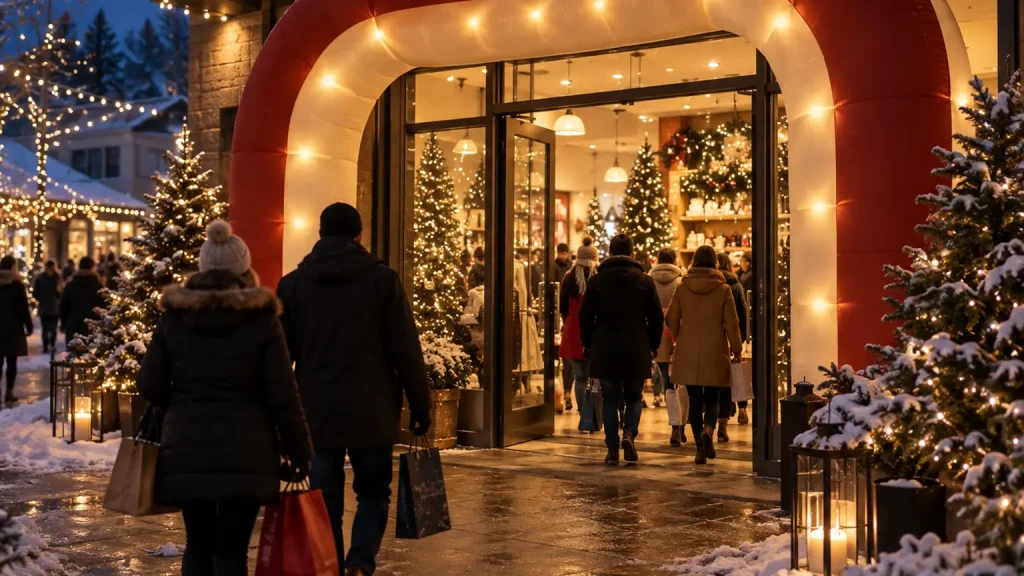
- Retail and mall activations. Placed at an entrance or atrium, it turns shoppers into a queue of people taking pictures with your product.
- Sampling and roadshows. The replica marks the stand from a distance so the team on the ground spends less time flagging people down.
Our giant headphones festival arch combines a product replica with a walk-through photo spot. For a vehicle form, see the Jurassic Park Explorer replica project, where the panel layout had to preserve the vehicle livery.
Getting the shape and print right
A replica only works if it actually looks like the product, so the make matters. The 3D shape is pattern-cut from your product’s real proportions — photos and dimensions in, a sewn-and-welded form out — rather than a rough approximation. It’s printed full-colour OEM with UV-stable inks so the label, colours and details read correctly and hold up outdoors without fading. The body is durable PVC-coated fabric with welded and stitched seams; a continuous-run CE blower keeps it firm and upright throughout the event. The closer your artwork and reference photos, the closer the replica — sending clear, straight-on product images and any brand-colour codes up front is what makes the difference between “that’s our product” and “that’s roughly our shape”.
Sizing and placement
Match the size to where it stands, not to ambition:
- Indoor booth or atrium: check the clear ceiling height and the footprint your stand allows. A 2–3 m replica dominates most booths without crowding the aisle; only large halls take more.
- Outdoor launch or forecourt: think about wind and anchoring before height. A ground-standing replica needs water barrels, sandbags or stakes; the taller it is, the more ballast and the more a gust matters on an exposed site.
- Hanging vs ground-standing: some replicas can be suspended in an atrium void for a floating hero effect, others sit on a base on the floor — decide early, because it changes the rigging and the anchor points you need.
One replica, a whole campaign
A product replica isn’t a single-use prop. Because it deflates, folds into a bag and re-inflates in minutes with its blower, the same replica travels from the launch event to the trade show to the flagship store and back — one production cost spread across a season of appearances. Between events, store it clean and dry and the fabric and print hold up across many activations rather than a single weekend, so the more your calendar uses it, the lower the effective cost of each showing. For brands running a roadshow or a multi-city tour, that reusability is often what tips the decision from banner-and-table to a giant replica that actually gets photographed at every stop.
From product photo to inflatable
The process is more straightforward than most buyers expect. You send product photos, dimensions and artwork; the factory turns those into a 3D pattern and a printed proof for approval; once you sign off the artwork, a custom replica is typically produced within 7–15 working days, with a minimum order of one for custom work. The same route covers a whole range of inflatable cartoons and characters — if you can supply a clear reference, it can usually be built. For turning a brand character (rather than a product) into a giant centrepiece, our guide on custom inflatable mascots covers that side in more detail.
Get your product replicated
The fastest way to a firm quote is to send a straight-on photo of the product, its real dimensions, and where it will stand — indoor booth, outdoor launch, hanging or floor-standing. With that plus your artwork, you’ll get a size recommendation, a proof and a price back, rather than guessing from a catalogue.