Costume Mascots vs Inflatable Mascots: Which Fits Your Activation
“Should we get a mascot costume or an inflatable one?” is really two different questions wearing the same word. A walkaround costume mascot and a giant inflatable character solve genuinely different problems, and picking based on which looks more impressive in a reference photo usually leads to the wrong purchase for the actual event. The real decision is about what job the mascot needs to do — costume vs inflatable mascot is a question of function first, format second.
If you’ve already decided inflatable is the right direction, our custom inflatable mascots guide covers what goes into ordering one. This piece is for the decision one step earlier.
Two Different Jobs: Landmark vs. Performer
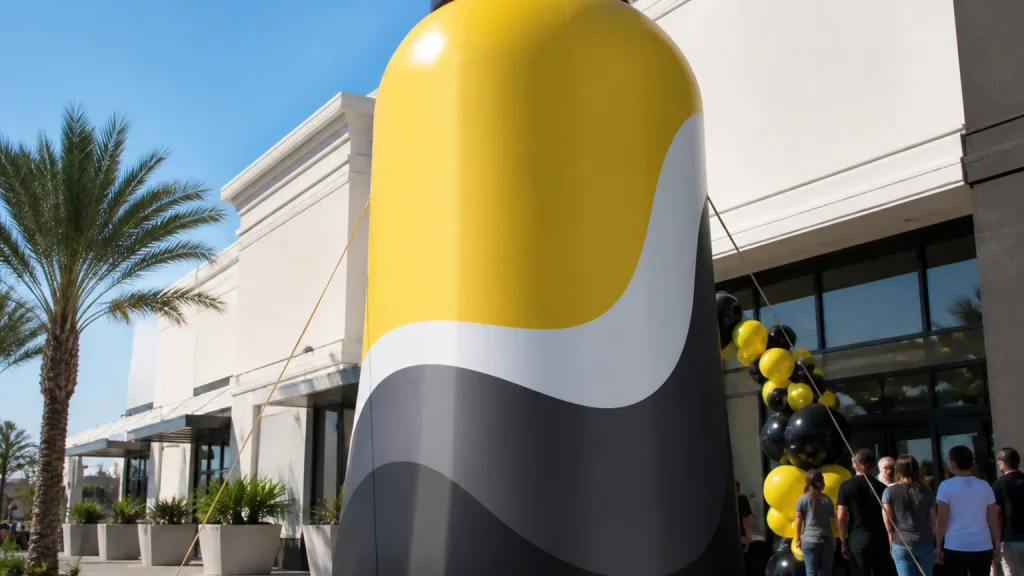
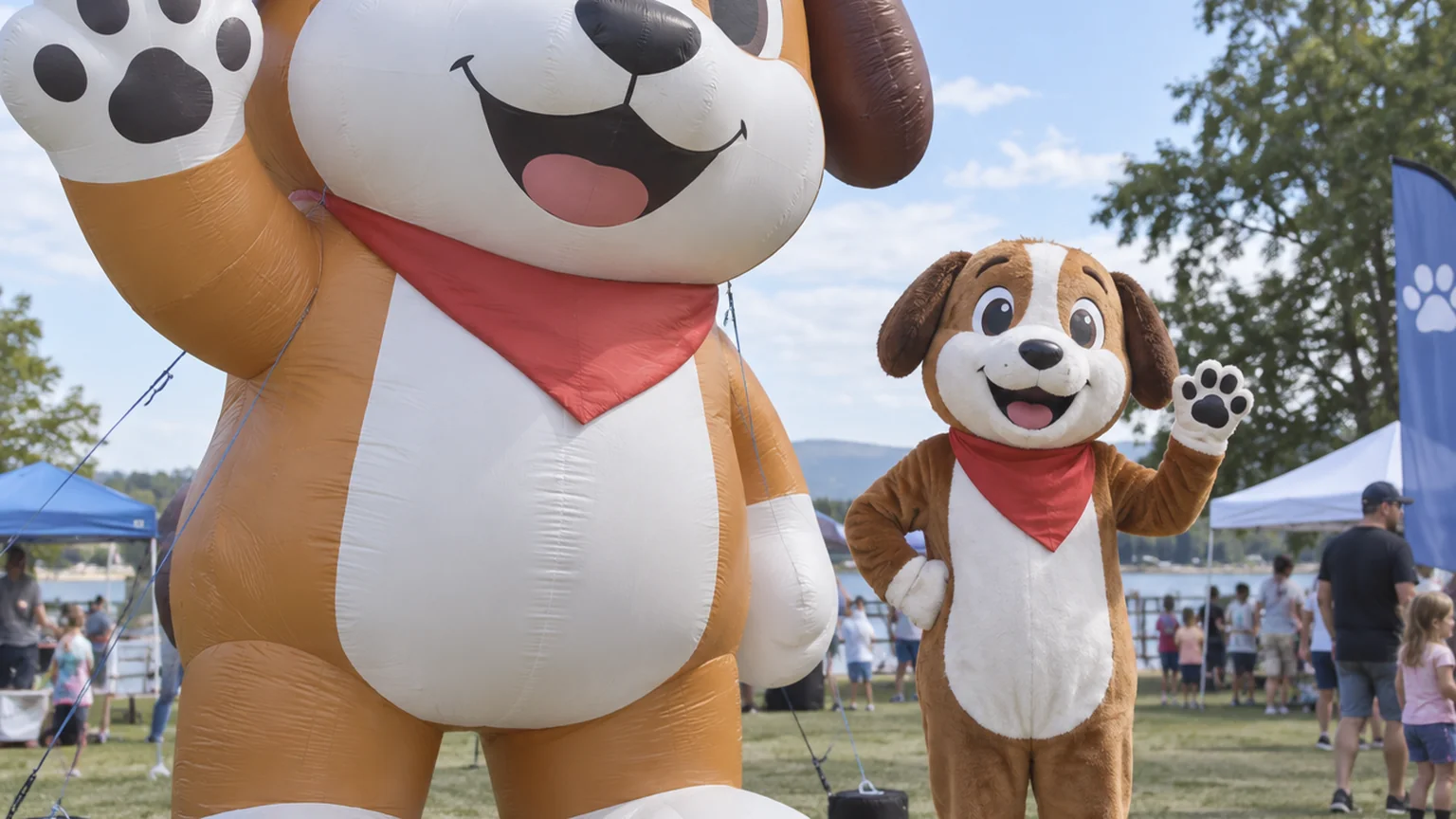
An inflatable mascot’s core value is being a fixed, unmissable visual landmark — it stands at full scale all day without needing a person inside it, works in weather a costume performer couldn’t tolerate for hours, and reads from a distance a human-scale costume never will. A costume mascot’s core value is the opposite: it’s an interactive performer — it can pose for photos, guide people, react to a crowd, and bring the kind of live energy that a static (or gently swaying) inflatable structure can’t produce.
Neither is a lesser version of the other. They’re built for different jobs, and the mismatch happens when an event needs interaction but books a landmark, or needs a landmark but books a performer.
Cost Structure: One-Time Asset vs. Per-Event Labor
An inflatable mascot is a capital purchase — you pay once (or amortize across a reusable design, as covered in our seasonal rotation guide) and deploy it repeatedly without ongoing labor cost beyond setup. A costume mascot requires a performer for every single appearance — which means recurring cost tied directly to how many events and how many hours you run it, plus scheduling and performer availability to manage each time. For a mascot program running dozens of appearances a year, this cost structure difference compounds significantly over a season.
When an Inflatable Mascot Is the Right Call
- Unattended, long-duration display. A storefront or event entrance that needs a mascot presence all day without staffing a performer for every hour.
- Harsh outdoor conditions. Heat, cold, or long shifts that would be genuinely difficult or unsafe for a costume performer to sustain.
- Multi-site simultaneous deployment. Running the same character across several locations at once — one inflatable order scales more easily than coordinating multiple trained performers in different cities.
When a Costume Mascot Is the Right Call
- Interaction-driven activations. Meet-and-greets, photo lines, or anything where the mascot needs to physically engage with guests rather than just be seen.
- Space-constrained indoor venues. A costume performer navigates tight retail floors and crowded aisles in a way a large inflatable structure can’t.
- Short, high-energy appearances. A costume mascot’s performative energy suits a focused appearance window better than it suits an all-day static presence.
Running Both Together
These formats aren’t mutually exclusive, and larger activations often use both: an inflatable mascot anchors the site as a landmark visible from a distance, while a costume performer works the crowd near the entrance for photos and interaction. This mirrors the layered-visibility logic we cover for multi-product launch-day setups — different formats covering different jobs at the same event rather than one product trying to do everything.
Brand Consistency: A Difference Buyers Often Overlook
An inflatable mascot looks identical every single time it’s deployed — same size, same proportions, same printed detail, regardless of who set it up or which site it’s at. A costume mascot’s appearance depends partly on the performer wearing it — how they move, how the costume fits that individual, and whether different performers across multiple events or locations present the character consistently. For a brand where exact visual consistency matters more than performance quality, that’s a real point in the inflatable’s favor that goes beyond the landmark-vs-performer framing above.
The flip side is that a skilled performer can adapt the character’s energy to the room in a way a static structure never will — reading a crowd, adjusting to kids versus adults, responding to what’s actually happening at the event. That adaptability is exactly what a costume brings that no inflatable can replicate, regardless of how well-designed the inflatable is.
Climate and Season as a Practical Filter
Beyond the general “harsh conditions” point above, it’s worth being specific: a costume performer working a multi-hour shift in serious heat or cold faces real physical limits that affect how often breaks are needed and how long a single performer can realistically stay in character. An inflatable mascot has no such limit — it holds its presence for as long as the blower runs, regardless of temperature. For any event where the mascot needs to be present continuously across a long day rather than in scheduled appearance windows, this practical difference often settles the decision on its own before cost or interaction needs even enter the conversation.
Specs and Ordering
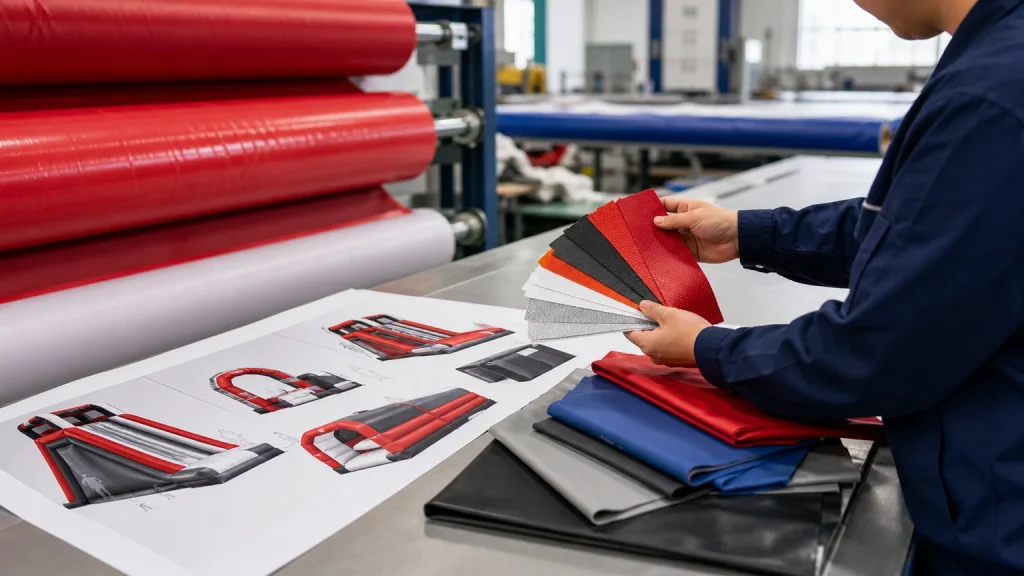
For the inflatable side of this decision: cold-air, blower-inflated PVC or coated fabric construction, CE-certified continuous-duty blower, OEM full-color printing, with sculpting options ranging from stock body molds to full custom — see our custom vs stock mold guide for that specific decision once you’ve landed on inflatable.
Not sure which format fits your activation? Browse our inflatable cartoons and mascots range or send us your event details and we’ll advise on the right approach.